
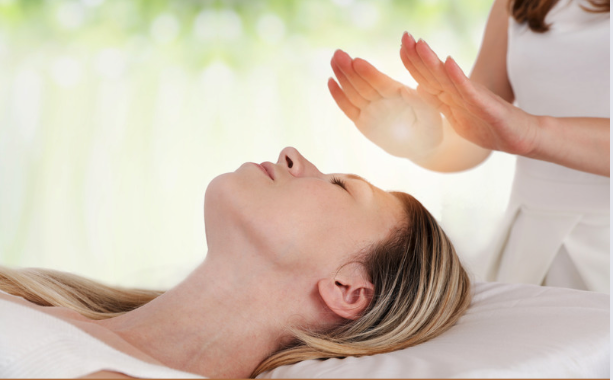
A person receiving Reiki treatment, with hands gently hovering over their body, to promote relaxation and reduce stress and anxiety.
Stress and anxiety are among the most common emotional and psychological challenges faced in modern society. Whether due to work, relationships, or general life pressures, these conditions can take a toll on both mental and physical health. Traditional therapies like counselling and medication are widely recognised, complementary healing modalities, such as Reiki have been gaining attention for their ability to help manage stress and anxiety, for some time.
What is Reiki?
Reiki is a Japanese healing technique that involves the transfer of universal life energy through the hands of a practitioner to the client. The term “Reiki” comes from two Japanese words: “Rei,” meaning universal, and “Ki,” meaning life force energy. It is founded on the idea that energy flows through all living things, and when this energy is unbalanced or blocked, it can lead to physical or emotional issues, including stress and anxiety.
The goal of Reiki is to restore balance to this energy flow, promoting relaxation, emotional healing, and overall well-being. In the context of stress and anxiety, Reiki can help to release tension, ease mental strain, and create a sense of peace and relaxation.
How Does Reiki Help with Stress and Anxiety?
Reiki is a form of energy healing. Here’s how it can help reduce stress and anxiety:
Promotes Relaxation: One of the immediate effects of Reiki is a profound sense of relaxation. The gentle touch or near-touch technique used during a session helps to trigger the body’s relaxation response. This response counters the body’s “fight-or-flight” reaction, which is often triggered by stress, lowering heart rate, blood pressure, and calming the nervous system.
Balances Energy Flow: Stress and anxiety are caused by imbalances or blockages in the body’s energy field. These blockages can lead to emotional or physical symptoms. Through the hands-on healing process, Reiki helps to restore balance and clear any disruptions in the energy flow, allowing the body to return to a more harmonious state.
Alleviates Physical Symptoms of Anxiety: Anxiety often manifests in physical ways, such as muscle tension, headaches, tightness in the chest, or digestive issues. Reiki can relieve these physical symptoms by soothing the nervous system and relaxing tense muscles, which can contribute to a greater sense of overall comfort.
Enhances Emotional Clarity: Anxiety can cloud the mind and make it difficult to think clearly. Reiki helps to clear mental fog by helping to release emotional blockages. It supports emotional healing by encouraging the individual to let go of negative thoughts and emotions that contribute to anxiety. With improved emotional clarity, people can gain a new perspective on their worries, leading to a greater sense of calm and peace.
Supports the Body’s Natural Healing Process: Reiki is often seen as a complementary therapy rather than a substitute for medical treatments. When combined with other forms of self-care, such as meditation, Reiki can help accelerate the body’s natural healing processes, promoting mental and physical health.
What to Expect During a Reiki Session for Stress and Anxiety
A Reiki session typically lasts between 60 minutes. Here’s what you can expect during a session:
Setting the Intention: Before the session, the practitioner may take a consultation to find our more out you, such as your reason for seeking Reiki healing e.g. releasing anxiety, managing stress, or finding peace. This sets the intention for the Reiki session and helps focus the energy during the session.
Relaxation and Comfort: The recipient of Reiki lies fully clothed on a massage table, and the practitioner may place their hands lightly on or near specific areas of the body. The recipient are invited to relax and let go, allowing the body to open up to the energy flow.
Energy Transfer: The practitioner channels universal life force energy into the recipient’s body and aura. This energy may be felt as warmth, tingling, or a sense of calm or some other sensation. Reiki is non-invasive and gentle, so the experience is usually very pleasant and soothing.
Release of Emotional Blockages: During the session, you may feel emotions coming to the surface or a shift in your physical sensations. This is a sign that the energy is working to release blockages, helping to facilitate emotional healing.
Post-Session Calm: After a session, most people report feeling deeply relaxed, centred, and more at peace. While Reiki’s effects can be immediate, some people may need several sessions to feel a more sustained reduction in stress and anxiety.
Benefits of Reiki for Stress and Anxiety
Reduced Anxiety Symptoms: Reiki has been shown to reduce feelings of anxiety and promote relaxation. Studies indicate that Reiki healing can significantly lower anxiety levels and improve mood, making it a powerful tool for those struggling with chronic anxiety.
Improved Sleep: Anxiety often interferes with sleep, leading to insomnia or poor sleep quality. Reiki helps to calm the mind and reduce physical tension, which can promote a more restful night’s sleep.
Increased Self-Awareness: Reiki encourages individuals to tune into their body and emotions. By helping to increase awareness of where stress and anxiety manifest physically and emotionally, Reiki can empower individuals to make conscious changes in their lives that support their well-being.
Complementary Therapy: Reiki can work alongside other therapeutic approaches, such as cognitive-behavioral therapy (CBT) or medication, to provide a more holistic approach to managing stress and anxiety.
Long-Term Stress Management: Regular Reiki sessions can be part of a long-term strategy for managing stress. Over time, Reiki can help individuals develop better coping mechanisms, emotional resilience, and a deeper sense of inner peace.
Incorporating Reiki into Your Stress Management Routine
Reiki can be a valuable addition to your stress management toolkit. Here are a few ways to incorporate Reiki into your routine:
Regular Reiki Sessions: Schedule regular sessions with a qualified Reiki practitioner to address ongoing stress and anxiety. Consistency is key to experiencing the full benefits of Reiki.
Self-Reiki: Learning how to practice Reiki on yourself can be an empowering tool. By learning Reiki yourself and using Reiki techniques, you can support your own healing process and reduce stress, in your own time.
Complement with Mindfulness and Meditation: Combine Reiki with other mindfulness practices such as meditation, deep breathing, or yoga for enhanced results. These practices complement each other and help reduce anxiety.
Final Thoughts
While Reiki may not be a substitute for professional mental health care, it offers a complementary and holistic approach to managing stress and anxiety. By promoting relaxation, restoring energy balance, and supporting emotional healing, Reiki can help individuals feel more at ease and better equipped to face life’s challenges.
If you’re struggling with stress or anxiety, consider giving Reiki a try. Whether through an in-person sessions with a trained practitioner or by embarking upon a Reiki 1 training course, this beautiful healing practice can provide a calming, healing, and transformative experience for your mind, body, and spirit.
If you are interested in experiencing Reiki healing or learning Reiki, Katarina offers sessions and courses in her meditation centre, located in Point Clear, St. Osyth, Clacton-on-Sea, Essex.